Analysis of Oils and Olives
Analysis of oils, olive oil and olives. Consultancy for the olive oil and food fats sector.
In our laboratory specialized in the analysis of oils, olives, fats and their derivatives and biomass, we have more than 20 years of experience, the equipment and the necessary knowledge to guarantee reliable analyses in terms of quality, purity and contaminants.
We have the necessary facilities and technologies to carry out all the analyses required by current European and international regulations. Our specialization allows us to perform the analyses currently required, as well as the development of new analytical methods.
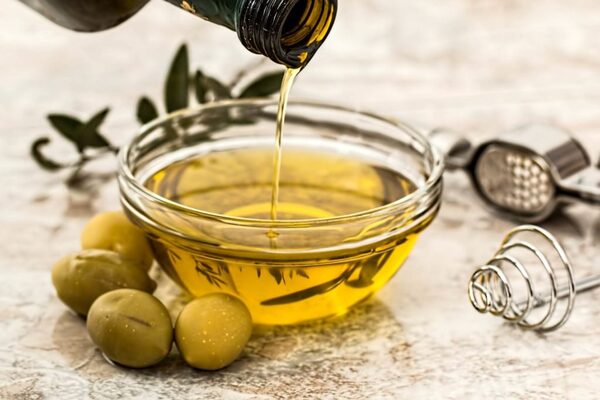
We work with all the players in the olive oil, table olives and oil production and marketing industry. Among them are olive growers, industrial mills, cooperatives, distributors and exporters.
Laboratory recognized by the International Olive Council (COI)
Olive Oil Analysis
Controlling the ripening process, humidity and yield of the fruit is useful to make decisions regarding the optimum time for harvesting, the production process, the quality of the oil we are going to obtain and the value it will have on the market. The data obtained will be of interest to both growers and producers.
Parameters
- Maturity Index
- Gross Fat Yield Soxhlet
- Abencor Fat Yield
- Crude Fat Yield by Nuclear Magnetic Resonance (NMR)
- Moisture
- Fat yield on dry matter
- Dry Matter without fat
- Approximate Industrial Yield
- Acidity
- Oil extraction by Abencor method
Results
Our experience shows us that the olive oil sector is dynamic and the knowledge and interpretation of analytical data is essential to achieve the desired objective. Our team of experts is in charge of advising and informing each client according to their needs:
- Farmer: Ripening, agronomic factors that have affected fruit quality, lipogenesis status or fat yield.
- Producer: Characteristics of each olive variety to be milled, quality of the oils that can be obtained or exhaustion data in the extraction process.
Analysis of Olive Oils and Olive Pomace Oils
Analysis of olive oils and olive pomace for the control of the quality, purity and food safety of the oils, as it is essential for their storage, bulk sale, packaging and export.
Advice on oil mills
In order to obtain high quality oils at the beginning of the campaign it is necessary to know the optimal conditions to be applied in the process. We have an Abencor system that, at laboratory level, reproduces the ideal conditions to obtain the desired result. Knowledge at production level is coupled with physicochemical and organoleptic parameters, offering a robust control tool.
Analysis:
- Abencor method oil extraction.
- Analysis of physicochemical parameters
- Organoleptic parameters of the oil obtained and descriptive tasting.
- Coupages with other oils
- Analysis of by-product (pomace) to control exhaustion.
Classification of the warehouse
Once the oil has been produced, we must make a previous classification for its storage in the cellar according to the category.
Analysis:
- Acidity
- Organoleptic evaluation
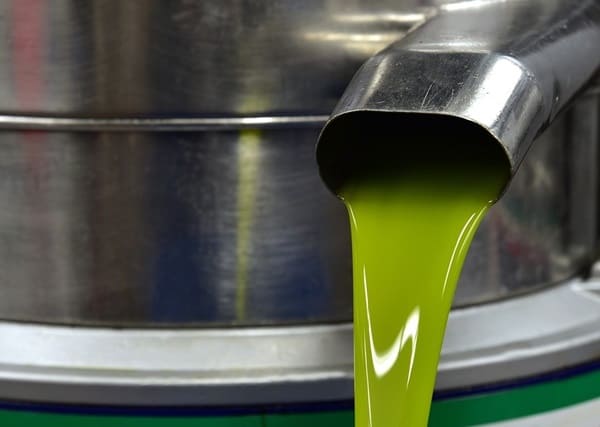
Analysis of oils for bulk sale
Depending on the category of the oil and taking into account the current regulations, we must differentiate between oils suitable for bottling and oils for refining. Depending on this classification and the results obtained in the laboratory, we will be able to make the right decisions to enhance the value of our product.
Analysis of Extra Virgin and Virgin Olive Oils
- Acidity
- Moisture
- Impurities
- Peroxide index
- Ultraviolet spectrophotometry (K270 or K268, K232, Delta K)
- Ethyl esters
- Organoleptic evaluation / Panel test
Analysis of Lampante Olive Oils and Crude Pomace Oils
- Acidity
- Moisture
- Impurities
- Waxes
- Sterol Profile, Total Sterols and Erythrodiol + Uvaol
- Organoleptic evaluation (only category in the case of lampante olive oil)
- Aliphatic alcohols
- Stigmastadienes
Analysis of Refined Oils (Olive and Pomace), Olive and Olive Pomace Oils
- Acidity
- Peroxide index
- Ultraviolet spectrophotometry (K270 or K268, K232, Delta K)
- Waxes
- Sterol profile, Total sterols and Erythrodiol + Uvaol
- Fatty acid composition (transoleic, translinoleic and translinolenic isomers)
- ΔECN42
- 2-glyceryl monopalmitate
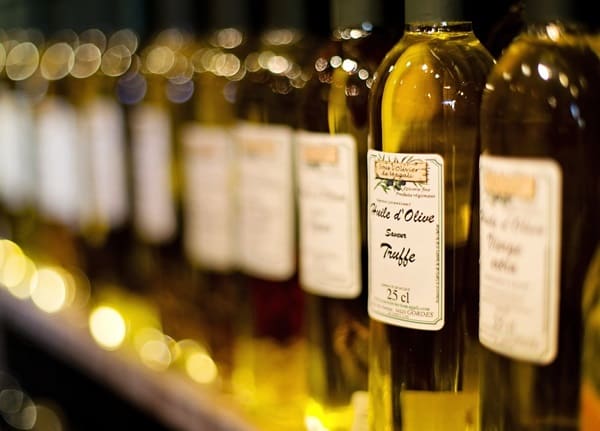
Analysis of packaged and labeled oils for sale
These oil analyses are carried out in compliance with the strict regulations governing the bottled oil sector. We must protect both the bottler and the end consumer, providing product information with the maximum guarantees of food safety and rigorous safety control.
For this purpose, we offer a wide range of oil analysis with physicochemical, organoleptic, nutritional and contaminant parameters:
Para ello ofrecemos una amplia gama de análisis de aceites con parámetros fisicoquímicos, organolépticos, nutricionales y de contaminantes:
Olive Oil for Bottling
- Acidity
- Humidity
- Impurities
- Peroxide value
- Ultraviolet spectrophotometry (K270 or K268, K232, Delta K)
- Ethyl esters
- Panel test
- Fatty acid composition (transoleic, translinoleic and translinolenic isomers)
- Stigmastadienes
- ΔECN42
- 2-glyceryl monopalmitate
- Composition of sterols, total sterols and Erythrodiol + Uvaol
- Waxes
Nutritional Analysis
- Energy Value
- Saturated, monounsaturated and polyunsaturated fats
- Carbohydrates
- Proteins
- Salt
- Vitamin E
Contaminant Analysis (Food Safety)
Quality and contaminant analyses are necessary to be able to take the necessary measures and comply with quality systems, legal requirements and market demands.
AGQ Labs can advise you in the development of your analysis plan for oils, olives, fats and derivatives with recommendations on sampling and technical and legal requirements in terms of compliance with the main distribution chains and international markets.
Pesticide Residues
- Complete sweep of approximately 600 active ingredients.
- Traces information, important for the organic sector and to know the possible traces and residues that can be found in the country of destination.
- Results with Interpretation of destination countries (5 MRLs) and intake calculation information (ARfD).
- Accreditation in open scope in oil family.
- Includes accreditation in a wide typology of oils, among others olive, rapeseed, sunflower, corn, walnut, grape seed, sesame, soybean or palm. Accreditation for olive and
olives in brine.
Specific determinations
Contaminants, sanitary alerts such as chlorates, perchlorates, fosetyl aluminum or glyphosates.
Mycotoxins
Aflatoxins B1, Aflatoxins B2, Aflatoxins G1, Aflatoxins G2, Sum of Aflatoxins B1+B2+G1+G2, Zearalenone, Deoxynivalenol, Fumonisin.
Heavy Metals
Lead, Arsenic, Cadmium, Iron, Copper.
Acrylamide
Benzopyrenes (PAHs)
Benzo (a) anthracene, Benzo (b) fluoranthene, Benzo (a) pyrene, Chrysene, sum of PAHs.
MOSH and MOAH analysis
Polychlorinated biphenyls (PCBs)
Dioxins and furans assimilable to dioxins
Perfluoroalkylated and polyfluoroalkylated substances (PFAS)
Legal and technical advice for oil analysis
- Technical advice: results according to specifications, legislation, etc.
- Inspection and sampling.
- Control of sanitary alerts.
- Information management: results reports sent by email or through the Besafer web and mobile application (additional information downloadable via Excel or CSV).
- FDA detentions.
FDA Detentions: Analysis and Advice
The U.S. government’s Food and Drug Administration (FDA) ensures that all products imported into the United States meet regulatory standards and are safe for U.S. consumers. If a product imported into the United States has indications of having been adulterated, misbranded and disapproved for entry, the FDA will detain it by preventing its release, known as detentions. To avoid delays, it is critical that importers act quickly and provide analytical reports demonstrating the product’s compliance.
- Fast response and in accordance with FDA requirements and formalities
- Sample collection according to FDA protocols
- Real-time tracking of sample status (Besafer online platform)
- Final report and submission to FDA
- ISO 17025 accredited under the American IAS entity
Quality and contaminant analysis for olive oil and olive pomace
- Oil and pomace: Acidity, moisture, impurities, waxes and sterols (profile, total sterols, Erythrodiol + Uvaol).
- Quality: Acidity, peroxides, K270, K232, Delta K, moisture and impurities.
- Basic packaging: Acidity, peroxides, K270, K232, Delta K, ethyl esters, panel test and pesticide residues.
- Complete packaging: Quality + Purity + Organoleptic + Safety (pesticide residues, metals and PAHs)